


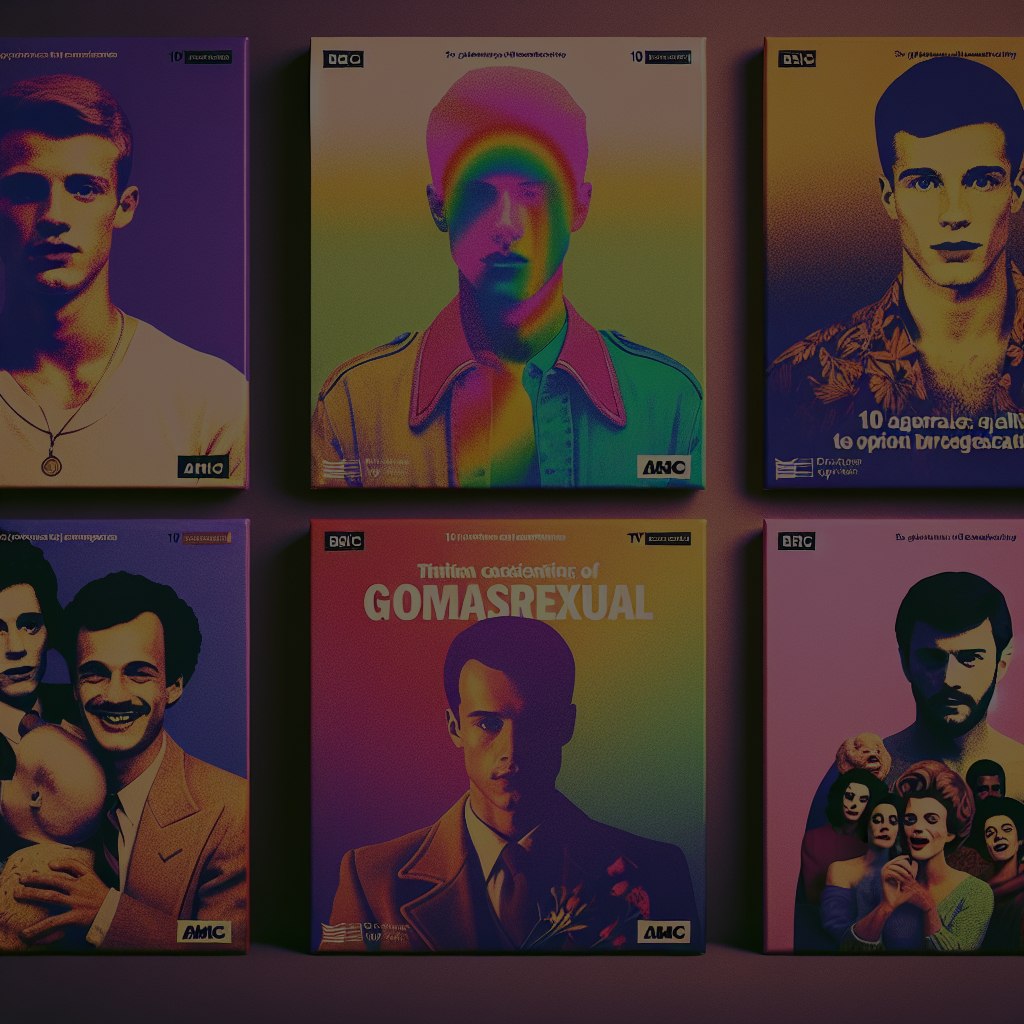
Top 10 Must-Watch Series with Gay Characters: A Rich Tapestry of Representation
Gay characters in television series play a crucial role in shaping public attitudes and breaking down societal prejudices. From sensitive dramas to sharp comedies, psychological thrillers to visionary sci-fi, today’s shows reflect an increasingly diverse and inclusive world. Platforms like Netflix have empowered creators to bring LGBTQ+ stories into the mainstream—stories that embrace nuance, emotional depth, and authenticity.
This roundup of ten impactful series showcases the value of representation—exploring identity, self-acceptance, and the fight for equality. These characters challenge stereotypes, inspire younger audiences, and broaden the emotional horizons of contemporary storytelling.
Why Gay Characters Matter in Today’s TV
The journey toward LGBTQ+ visibility has transformed television narratives. Where once gay characters were relegated to comic relief or side plots, now they take center stage. Modern series celebrate the full humanity of these individuals—exploring love, personal growth, struggle, and joy. Shows like “Sense8”, for instance, revolutionized representation by placing gay, trans, and queer characters in central, heroic roles.
These portrayals go beyond sexual orientation, delving into relationships, cultural expectations, community, and activism. Their diversity not only reflects reality—it encourages viewers to envision a more inclusive future.
TV as a Path to Identity and Self-Acceptance
Global platforms like Netflix have opened space for storytelling that navigates internal and societal conflicts around identity. Series such as “Élite” and “Sex Education” use coming-of-age narratives to discuss sexuality, cultural pressures, and the courage it takes to love openly. These shows treat coming out not as a trope, but as a powerful, personal process filled with fear, liberation, and truth.
Characters like Omar and Ander in “Élite” or Eric in “Sex Education” push visibility beyond coming-out clichés. Their stories reflect individual authenticity while connecting with universal themes of love, pride, and self-discovery.
Series 1: Gritty Drama and Real-Life Struggles in “Pose”

“Pose”, available on Netflix, anchors LGBTQ+ storytelling in a historical framework. Set in New York during the vibrant, chaotic 1980s ballroom scene, the show shines a spotlight on queer and trans communities facing the AIDS crisis and systemic exclusion. Through dynamic characters and deeply emotional narratives, “Pose” offers a rare glimpse into creativity, resilience, and chosen family.
Main Gay Character and Narrative Impact
Pray Tell, portrayed with nuance and heart, grapples with activism, terminal illness, and forbidden romances. His friendship with Blanca Rodriguez (a trans matriarch) adds emotional depth to the exploration of identity, love, and community. Their stories transform “Pose” into more than just representation—it becomes a force of social change.
Series 2: Romantic Comedy Reimagined in “Heartstopper”

“Heartstopper”, a gentle, romantic British series on Netflix, captures the innocence and intensity of young LGBTQ+ love. Adapted from Alice Oseman’s graphic novel, the story centers on Charlie and Nick—two teens discovering their feelings in a school environment full of friendship, support, and subtle tension.
Authentic Character Traits and Challenges
Charlie Spring stands out with his emotional intelligence and quiet strength. His evolving connection with Nick, who explores his own bisexuality, is shown with tender realism, emphasizing small moments over dramatic declarations. “Heartstopper” revolutionizes gay teen narratives through kindness, not adversity—a powerful shift in storytelling for youth today.
Series 3: Sci-Fi Brilliance and Queer Diversity in “Sense8”

Created by the Wachowski sisters and J. Michael Straczynski, “Sense8” exploded onto Netflix with dazzling visuals and groundbreaking LGBTQ+ characters. The interconnected lives of eight individuals include protagonists who are gay, trans, non-binary—and always multidimensional. The series weaves thrilling sci-fi with emotional intimacy and radical inclusion.
Key Gay Characters in a Visionary World
Actor Lito Rodriguez struggles with fame vs. authenticity as he hides his love for Hernando. Meanwhile, Nomi Marks, a trans hacker played by Jamie Clayton, fights for truth and justice. “Sense8” doesn’t isolate queerness—it embeds it into its universal narrative. The series stands as a bold proposition: a future where individual identity strengthens collective humanity.
Series 4: Psychological Thrills and Queer Complexity in “You”

While “You” mainly follows the obsessive path of anti-hero Joe Goldberg, the psychological thriller includes layered portrayals of gay side characters entangled in questions of love, secrecy, and survival. Equal parts dark and reflective, this Netflix series pushes queer storylines into morally ambiguous territory.
Intriguing Storytelling for Gay Characters
One standout is Blythe, an intellectual navigating emotional vulnerabilities amid a high-stakes narrative. The depiction of queer relationships here is raw and intimate, marking a departure from sanitized tropes and reflecting the messy realities of desire and selfhood.
Series 5: Family Drama Meets Queer Identity in “This Is Us”

“This Is Us”, accessible on Netflix, delicately explores generational trauma, family dynamics, and personal discovery. The Pearson family narrative intersects with Tess’s journey as she navigates her teenage years and questions about sexuality. The drama highlights love and understanding within complex familial relationships.
Coming Out and Affirmation in a Family Setting
Tess’s coming-out scene is simple yet poignant. Her path shines a light on parental confusion, peer dynamics, and the slow growth toward understanding. It’s a rare portrayal where LGBTQ+ themes are organically embedded into broader family life—making it both relatable and powerful.
Series 6: Activism and Intersectionality in “Dear White People”
“Dear White People” intertwines race, sexuality, and social activism, holding up a mirror to today’s identity politics. On Netflix, the series uses humor and introspection to confront pressing issues—and its gay characters are central to these conversations, not just passive observers.
The Role of Gay Characters in Collective Struggles
Lionel, a writer grappling with being gay and Black in a predominately white institution, represents internalized pressure and the anxiety of visibility. His journey from silence to defiance encapsulates the modern struggle for intersectional identity—a reflection of ongoing real-world battles for legitimacy and autonomy.
Series 7: Stereotype-Busting Comedy in “Sex Education”
“Sex Education” has become a Netflix phenomenon thanks to its raw honesty and inclusive characters. Eric Effiong, openly gay and fantastically expressive, brings heart, humor, and complexity to coming-of-age television. The show dares to dismantle expectations of masculinity, sexuality, and family with fearless storytelling.
Realistic Gay Relationships Unpacked
Eric’s fraught romance with Adam captures the confusion and beauty of hidden love. Through every setback—parental disapproval, internal shame, cultural clash—Eric evolves. “Sex Education” redefines what it means to be seen and celebrated as queer on screen.
- Challenges of social and familial acceptance
- Visibility and pride despite hostility
- Exploration of romantic diversity—monogamy, heartbreak, and chosen connections
Series 8: Superpowers and Fluidity in “The Umbrella Academy”

“The Umbrella Academy” blends sci-fi and surrealism with powerful character arcs. On Netflix, Klaus emerges as a queer icon, both outrageous and poignant. Later, Viktor (formerly Vanya), transitions on-screen—reflecting Elliot Page’s real-life journey. The

 English
  Español
Leave a Reply