


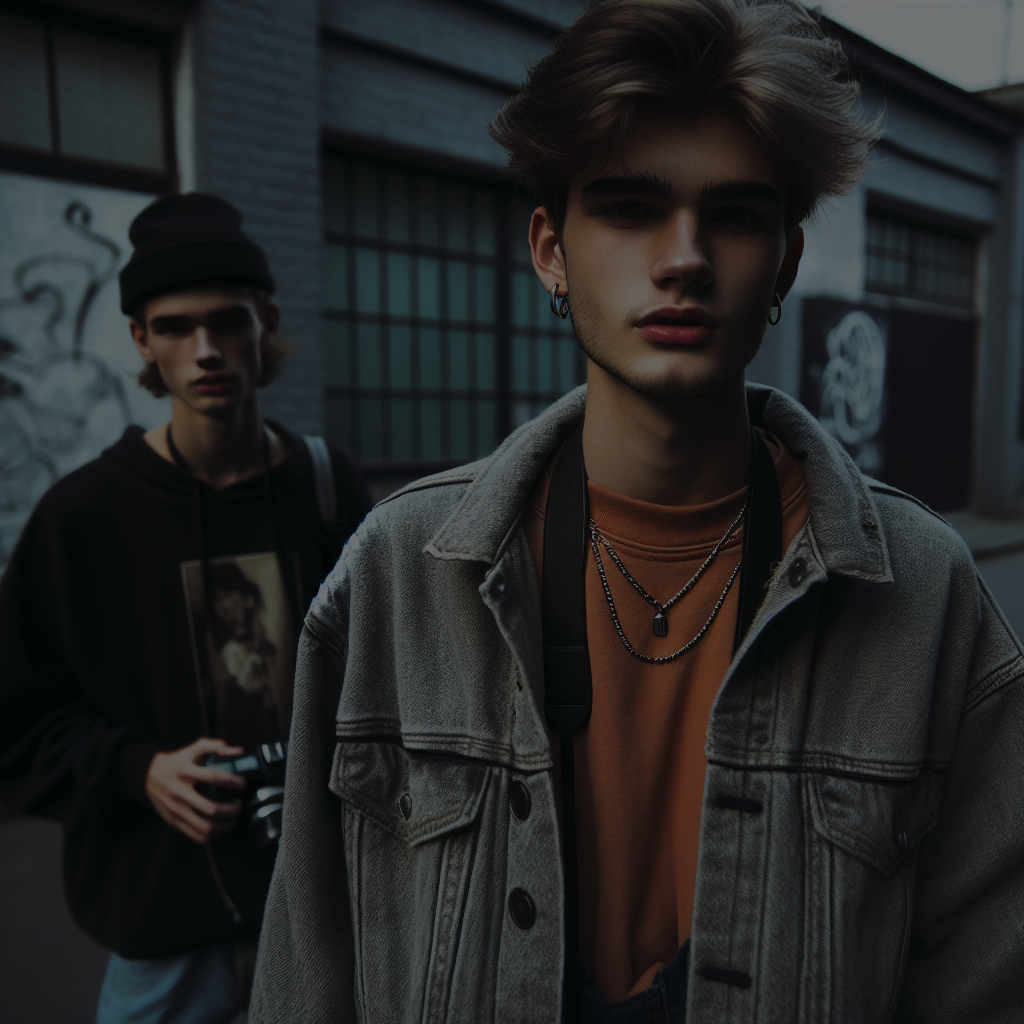
Between Body Codes, Pop Culture Trends, and Queer Reinventions
The twink aesthetic is one of the most recognizable—and debated—identities in LGBTQ+ fashion culture. It’s tied to a specific set of style, visual, and body codes that have evolved over the years, shifting between desirability and commodification, marginalization and self-reclamation. At first glance, it’s often associated with thin, youthful, hairless bodies in fitted or “cute” clothing. But peel back the layers, and it’s clear: fashion hasn’t just followed the twink aesthetic—it helped shape and commercialize it, reinforcing its image before Gen Z and younger queer voices redefined it again.
This deep dive looks at how fashion has influenced the image of the twink in 2025, tracing its historical roots, its symbolic garments, the brands that push it forward, and the subversive ways it’s being reclaimed across pop trends and queer thought.
1. First Things First: What Does “Twink” Mean in Fashion Terms?
Originally used to represent a young, slim, hairless gay man with boyish features, “twink” has since evolved in fashion into a distinct visual identity—almost a stylistic category on its own.
Its defining elements (real or idealized) often include:
- slim, streamlined silhouette
- soft or youthful facial features
- fitted clothing or minimalist cuts
- “soft boy” or slightly androgynous looks
- gentle accents like pastel colors, dainty jewelry, cute motifs
- influence from K-pop, indie cinema, and social media trends
It’s not just a body type—it’s a fashion language. The industry has spotlighted a specific body and softness, romanticized youth, and built an aesthetic around it.

2. The Origins: From 90s Gay Fashion to Early 2000s Imagery
The twink archetype truly took shape during the 1990s–2000s thanks to:
- gay magazines (Attitude, Têtu, DNA) spotlighting slim, smooth, youthful bodies over the 80s hypermasculine ideal
- Y2K preppy style: low-rise jeans, tight tank tops, open polos
- pop icons like young Justin Timberlake, Jesse McCartney, and Zac Efron in his HSM years
At the time, mainstream fashion prized slender, boyish builds—which aligned perfectly with twink imagery rising in gay culture.
The twink became a cultural product, recognizable and ready for ads, fashion spreads, and soon after, social media feeds.
3. The K-pop Effect: How Korean Style Reshaped the Modern Twink
You can’t unpack the 2020–2025 vision of the twink without acknowledging the massive wave of influence from K-pop and Korean fashion.
Male idols like Jungkook (young), Taemin, Felix (Stray Kids), Ren (NU’EST), and Hyunjin have introduced a new standard: sleek, androgynous, styled-to-perfection—mirroring and expanding the Western concept of twink.
Key changes in the aesthetic thanks to K-fashion include:
- oversized cuts on soft, slim forms
- pastel-dyed hair, feathered layers
- delicate jewelry: silver chains, thin rings, single earrings
- light makeup or “glass skin” look
- neutral color palettes in white, beige, and soft hues
- floral prints and gender-fluid touches
K-fashion guided the shift from “white Y2K twink” into something more global, diverse, and aesthetically rich.
4. How Brands Have Recycled and Sold the Twink Look
Since 2015, a number of fashion brands have actively marketed this aesthetic:
Accessible Fashion
- H&M
- Zara
- ASOS
Slim fits, cropped knits, fitted shirts, light cardigans.
Queer-Friendly Fashion
- Weekday
- Monki (now an icon in queer retail)
- Urban Outfitters
Androgynous, cute-casual, and minimalist aesthetics dominate.
Luxury Fashion
- Celine under Hedi Slimane—twink meets rockstar
- Saint Laurent
- Prada Men—featuring highly youthful campaigns
These labels extend the ideal: the twink body as an ethereal clothes-hanger.
5. The Fashion Staples that Shaped the Twink Aesthetic
Here are the signature pieces of the twink wardrobe—and what they represent:
1. Cropped Tops for Men
Confidence, norm-defiance, body-positivity.
Boosted by TikTok and K-pop culture.
2. Slim Tanks (White or Black)
Simple, sensual, and body-focused.
3. Slim or Low-Rise Jeans
Born from Y2K nostalgia. The lower belly becomes eroticized.
4. Sheer/Open Shirts
Often layered with jewelry. Suggestive without being overt.
5. Soft Cardigans
Charming and “soft boy” coded—ideal for romantic imagery.
6. Fine Jewelry
Minimalist silver chains, rings, and delicate earrings.
7. Pastel Colors
Sky blue, lilac, blush pink—rejecting rugged masculinity.
8. Natural Makeup, Clear Nail Polish
Borrowed directly from K-pop idols.
6. The Body as a Fashion Accessory: Between Idealization and Critique
Fashion doesn’t just dress bodies—it builds a model of the body.
In the case of the twink aesthetic, that body tends to be:
- slim
- youthful
- hairless
- toned, not muscular
- androgynous
This brings two challenges:
🎯 1. Body Image Pressures
Many young gay men feel pressured to match this ideal, which excludes those who are:
- older
- of color
- plus-size
- hairy
- trans or non-binary
🎯 2. Queer Reclaiming
A new wave is expanding the look by embracing:
- BIPOC twinks promoted online
- trans twinks
- non-binary twinks
- body-positive expressions
- blended twink + masc/goth styles
- light body hair as a statement (“fuzzy twink”)
Today’s fashion platforms—TikTok, Pinterest—offer more space for this spectrum of identities.
7. How Social Media Platforms Fuel the Twink Aesthetic
The twink look is a visual social artifact, shaped and spread through digital channels

 English
  Español
Leave a Reply