


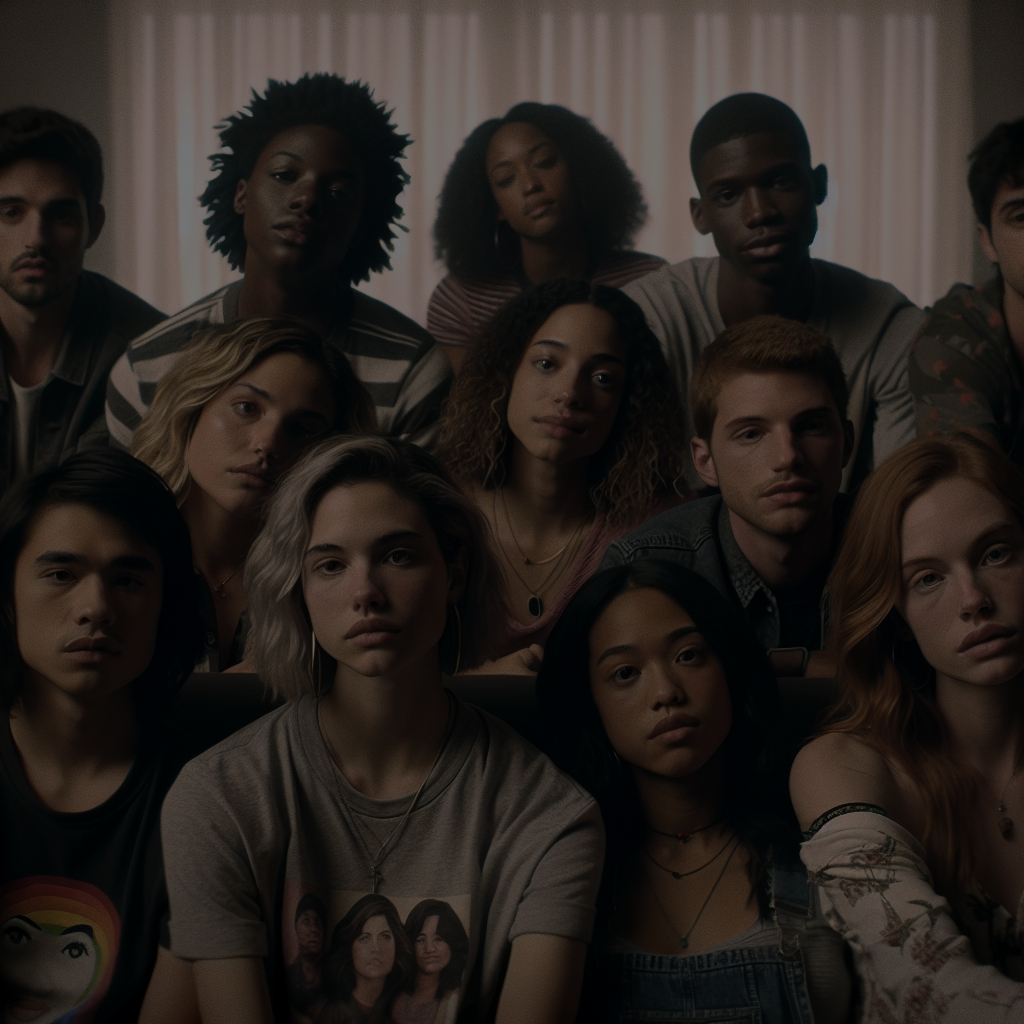
41% Drop in LGBTQ Characters on TV
Major Disappearance Expected by 2026
According to the 2025 GLAAD report, a media advocacy organization monitoring LGBTQ+ representation, 41% of queer characters currently featured on American television are projected to vanish from screens by 2026. This sharp decline comes amid rising conservative influence, prompting many platforms and studios to reassess their editorial strategies. Beyond industry shifts, this trend raises deep social concerns: LGBTQ+ representation is more than a storytelling element — it’s a powerful driver for visibility, safety, and societal inclusion.
The Crucial Role of Queer Storytelling
Television fiction serves purposes far beyond entertainment. For young LGBTQ+ individuals in particular, seeing queer characters on screen provides vital tools for self-understanding and navigating early emotional and relational experiences. Such visibility helps reduce risky behaviors, ease anxieties that go unaddressed in many educational systems, and offers badly-needed guidance in a world that remains largely non-inclusive.
Storylines involving transgender characters contribute by affirming complete, multifaceted life journeys — not just the process of transition. Less-visible identities, like asexuality, are also beginning to find space in these narratives, reflecting realities often shut out of public discourse. For older LGBTQ+ audiences, these stories allow the possibility to imagine fulfilling relationships and family lives, depictions that remain remarkably scarce in mainstream media.
While TV shows can’t solve every issue, they provide representation, points of identification, and even emotional resources for navigating complex real-life challenges.
A Direct Impact on Public Perception
Representation on screen doesn’t just benefit LGBTQ+ communities — it plays an educational role for their families, friends, and coworkers. Thoughtfully crafted queer characters help demystify identities, allowing wider audiences to move past stereotypes and fear. Even within more conventionally formatted storylines, the inclusion of LGBTQ+ characters helps foster awareness and understanding.
Conversely, a mass removal of such characters leads to erasure and social regression. A projected 41% drop in one year alone signals a worrying setback for queer visibility within the media, particularly at a time when LGBTQ+ rights face increasing political and societal pressure. When television limits its lens, the collective cultural imagination narrows with it.
An American Reality with Global Consequences
While the GLAAD report focuses on U.S. television and streaming platforms, no comparable studies have examined queer representation in French-speaking markets or across Europe, including countries like Switzerland. However, since most popular series watched in Europe originate from global platforms such as Netflix, Disney+, and Prime Video, American trends directly shape the content local viewers consume.
This downturn in U.S. representation therefore extends far beyond its borders, reducing not only the breadth of stories available but also the chances for LGBTQ+ viewers abroad to see themselves reflected on screen.

 English
  Español
Leave a Reply