


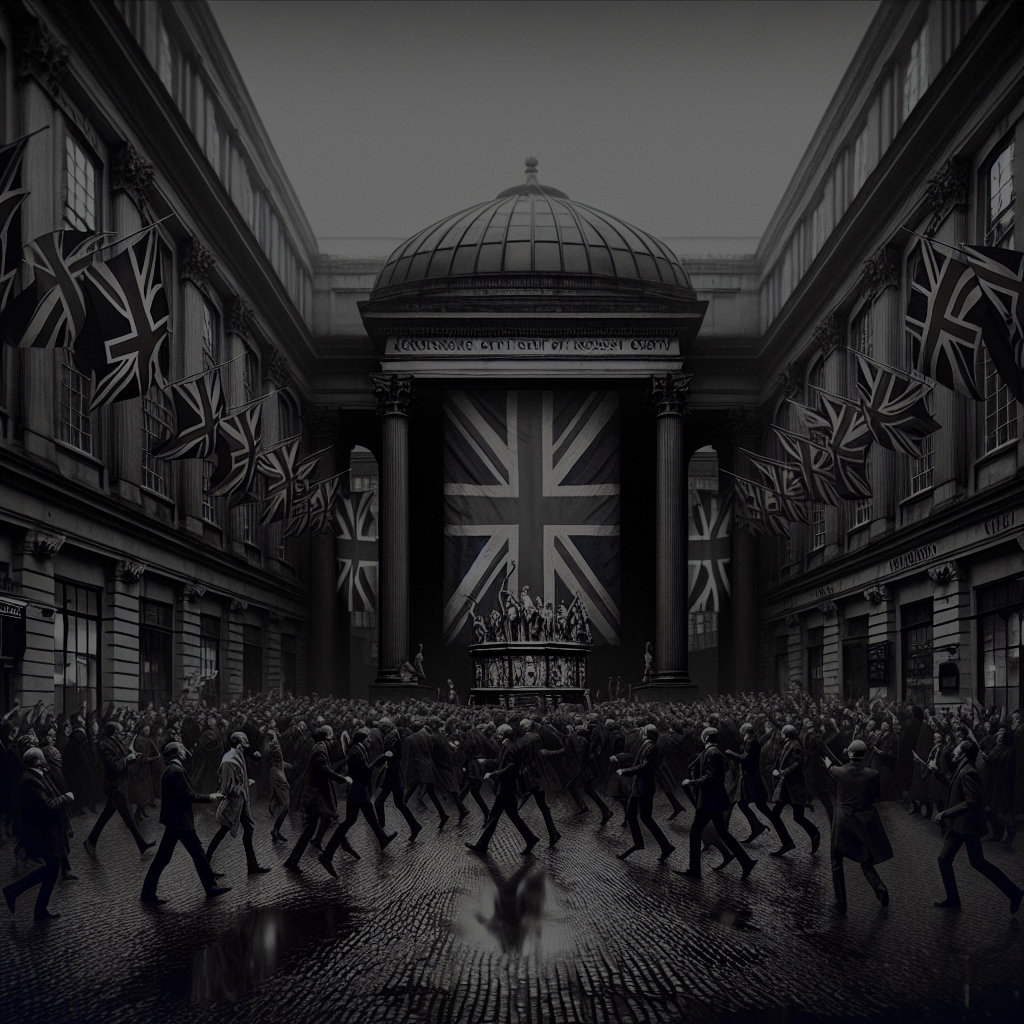
Martin Parr Has Died: A Sharp Lens on British Society
The Loss of a Pioneering Photographer
The photographic world is mourning the passing of Martin Parr, who died at the age of 73 on Saturday, December 6. His foundation confirmed the news the following morning: “It is with great sadness that we announce the passing of Martin Parr (1952–2025), who died at his home in Bristol.” Parr leaves behind his wife Susie, daughter Ellen, sister Vivien, and grandson George. The family has requested privacy during this difficult time. The Martin Parr Foundation, together with Magnum Photos, has vowed to safeguard and celebrate his artistic legacy.
A Career Defined by an Original Vision
Born in 1952 in Epsom, just outside of London, Martin Parr emerged as a key figure in contemporary photography. Though he began his career working in black and white, his shift to color photography in the 1980s became a defining hallmark of his style—combining documentary precision with ironic visual wit. His body of work, often laced with dry humor and critical insight, has been exhibited by world-renowned institutions, including the Tate Modern in London, the Centre Pompidou in Paris, and MoMA in New York. While his name may not always be immediately recognized by the general public, his images have reached far and wide—even into fashion and advertising.
Capturing Social Realities
Parr became widely known for his ability to document everyday life, particularly focusing on Britain’s working-class communities. One of his most iconic photo series, “The Last Resort” (1982–1985), spotlighted the simple seaside holidays of families in northern England. In a 2020 interview with Libération, he explained, “Britain is my subject—it’s my country, and I both love and loathe it. Photography is how I express those contradictory emotions.”
Trained in Manchester, Parr approached his craft through a quasi-anthropological lens. He spent decades chronicling the nation’s evolving social landscape—from the Thatcher era to Brexit, the Covid-19 pandemic, and the Black Lives Matter demonstrations—documenting both the people and the places at the heart of these transformations.
An Ally to the LGBTQ+ Community
Between 2017 and 2024, Martin Parr actively documented the Bristol Pride March, capturing its vibrant spirit through his signature visual sensibility. These powerful images were showcased in the “Bristol Pride x Martin Parr” exhibition at the Bristol Museum & Art Gallery, and later published posthumously in 2025 under the title “Pride”. The series offers a joyful, colorful, and deeply human portrayal of LGBTQ+ visibility and resistance.
Daryn Carter, co-founder of Bristol Pride, praised the retrospective: “It was a pleasure and a thrill to collaborate with the Martin Parr Foundation and the Bristol Museum. His work captures the core of Pride—celebration, protest, and visibility—with brilliance and honesty.”
Parr himself reflected on the evolution of Pride events: “It’s fantastic to see how much these celebrations are now embraced. That certainly wasn’t the case in the early days.”
From Controversy to Renewed Commitment
In 2020, Parr faced backlash after writing the preface for a new edition of a 1969 photo book by Gian Butturini. A controversial juxtaposition in the original book—an image of a Black woman placed next to a picture of a monkey—sparked accusations of racial insensitivity. Parr publicly expressed that he was “mortified” by the oversight, demanded the book’s withdrawal and destruction, and stepped down from his role at the Bristol Photo Festival.
This incident led to a renewed commitment to inclusion. In July 2020, the Martin Parr Foundation launched a diversity scholarship aimed at supporting emerging photographers from Black and Asian backgrounds. Parr stated, “I am deeply ashamed to have missed a racist image pairing in my preface… Photography must be an open space for all. These values matter profoundly to me.”
He also underscored his long-standing advocacy: “Throughout my career, I’ve championed underrepresented and emerging talents. The Martin Parr Foundation was set up as a charitable organization to spotlight photography and provide a platform for young and diverse artists.”
Martin Parr leaves behind a rich and layered body of work—one that blends social critique with compassion. His legacy remains deeply etched in the world of photography and continues to inspire far beyond its borders.

 English
  Español
Leave a Reply