


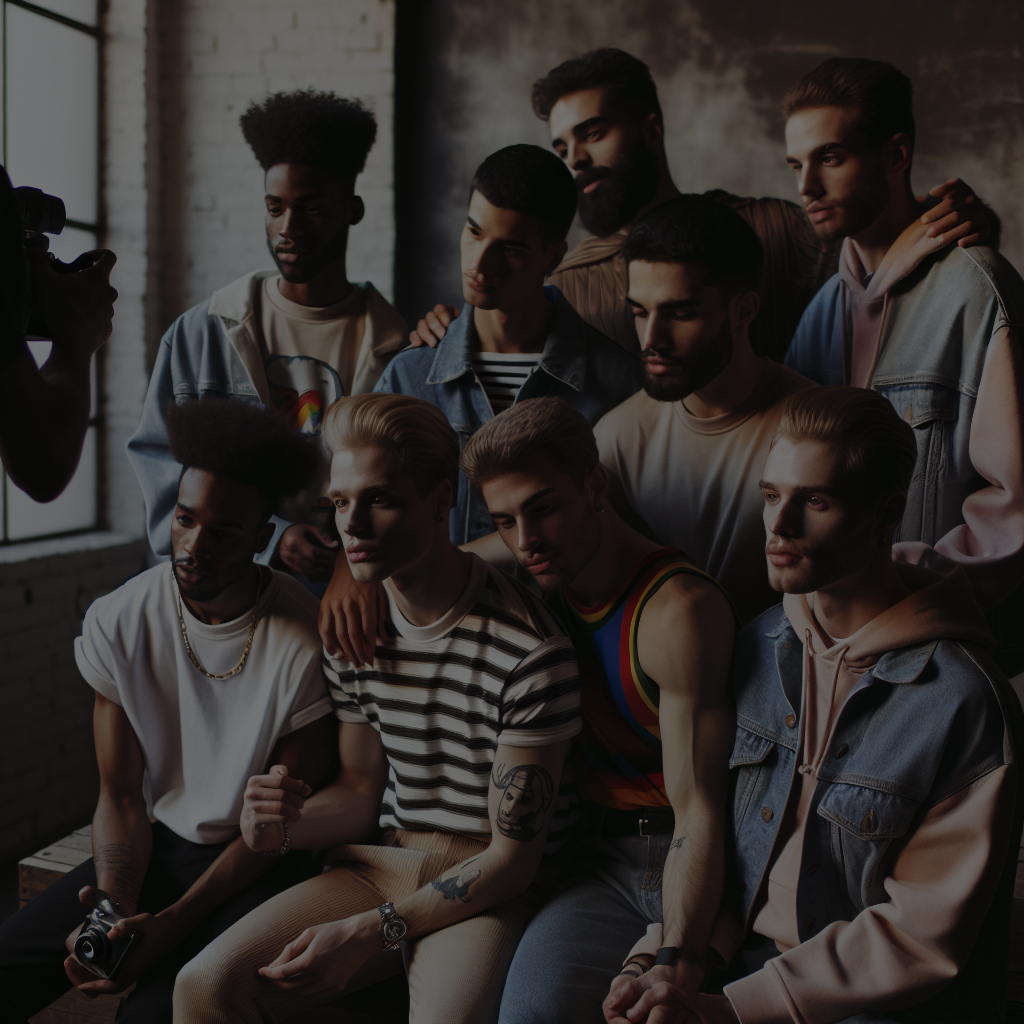
Queer-Inclusive Sports Collaborations
Introduction: Sports as a New Playing Field for Queer Expression
Long associated with performance and rigid norms of masculinity, the world of sports is gradually transforming into a space of expression and inclusion. At the heart of this change, sports fashion plays a pivotal role, offering visibility, pride, and authentic representation for the LGBTQIA+ community.
Campaigns like Nike Be True, Adidas Pride, and Reebok Human Rights Now are no longer just about selling sneakers — they’re about telling a powerful story. A story of diversity, self-expression, and a style that inspires and empowers.
These queer-friendly sports collaborations go beyond marketing tactics — they’ve become symbols of empowerment and identity affirmation. Yet, some initiatives have drawn criticism for slipping into pinkwashing, where LGBTQIA+ causes are exploited for corporate gain.
To better understand this phenomenon, check out our article examining controversial pride campaigns that reveal the marketing excesses behind some rainbow-clad collections.
The Pride Movement Takes Center Stage in Sportswear
Queer Visibility as a Catalyst for Change
In recent years, major sportswear brands have evolved to align with the values of a new generation. The era when advertising ignored the LGBTQIA+ community is behind us.
Today, inclusive athletic fashion is part of a broader movement toward a more diverse, welcoming, and human-centered sports culture.
“Pride” collections are now visual manifestos: rainbow details on sneakers, bold slogans, unisex cuts, and campaigns that spotlight real LGBTQIA+ individuals — not stereotypes.
A Style that Defies Gender Norms
Once designed exclusively for traditionally masculine athletes, sportswear has become a playground for gender fluidity.
From high-waisted shorts and oversized neutrals to customized jerseys and pastel tracksuits, the queering of athletic fashion is reshaping how we view both performance and identity.
These queer-friendly collaborations prove that sports and fashion are no longer separate worlds — together, they channel a wave of creative and activist energy.
Nike Be True: A Pioneer in Advocacy and Design

The Origins of Be True
First launched in 2012, Nike’s Be True collection marked a turning point in the evolution of sportswear.
Its mission: to celebrate the LGBTQIA+ community and support athletes who boldly live out their identities.
Each year, the brand unveils a bold and colorful capsule that places Pride symbolism and values at the center of design.
“Be True” isn’t just a tagline — it has become a universal declaration of authenticity.
Meaningful Design Elements
The Be True line reimagines Nike staples like the Air Max, Blazer, Dunk, and Pegasus — integrating subtle yet powerful details like translucent rainbow soles, pastel stitching, and logos adapted to include the progressive Pride flag.
Some editions also highlight queer cultural symbols, such as lavender — a historic marker of LGBTQ+ activism — and the inverted pink triangle, reclaimed as a symbol of pride.
Nike’s Social Impact
Beyond product lines, Nike actively supports LGBTQIA+ organizations including The Trevor Project, GLSEN, and the OUT Foundation. These partnerships help fund programs for queer youth and athletes.
The brand was also among the first to feature visible LGBTQ+ ambassadors such as Chris Mosier — the first trans athlete to join a U.S. men’s team.
Nike demonstrates that a global brand can balance business success with authentic style and social values — without compromising its core athletic ethos.
Adidas Pride: From Performance to Celebration
Sport as a Universal Language
With its Adidas Pride collections, the iconic brand embraces diversity as a vehicle for innovation and creativity.
Avid supporters of LGBTQIA+ movements, Adidas collaborates annually with queer artists worldwide to co-create garments symbolizing solidarity and freedom.
Design that Highlights Visibility
Adidas Pride integrates inclusive flag colors — including trans, bisexual, and non-binary — while staying true to its athletic roots.
From sneakers to hoodies and jerseys, the designs sport vibrant accents without slipping into “rainbow-washing.”
The aim is simple: wear pride authentically, whether on the field or in everyday life.
Collaborations that Inspire
Adidas has teamed up with trendsetting queer creators like Kehinde Wiley and Rich Mnisi, bringing artistic and cultural richness to the athletic space.
Each piece becomes a wearable work of art — celebrating difference while highlighting the power of representation.
A Message Beyond the Clothing
More than a seasonal release, Adidas follows a holistic, long-term approach: supporting queer non-profits, educating through awareness campaigns, and sponsoring LGBTQ+ sports events like the Gay Games.
Their message — “Love unites. So does sport.” — perfectly captures the spirit of a new generation of queer-inclusive sports culture.
Reebok Human Rights Now: When Sports Become Activism

A Legacy Rooted in Activism
Back in the 1980s, Reebok was already fighting for social causes with their “Human Rights Now!” campaign.
Today, this powerful line has resurfaced — freshly focused on racial justice, social equity, and LGBTQIA+ inclusion.
Design as Political Expression
This collection features militant typography, empowering messages like “All humans are equal” and “Love Wins,” and a queer-friendly color palette.
Every detail — from the sole to the logo — is designed to declare a message without compromise.
Championing Contemporary Queer Culture
Reebok regularly collaborates with talents from the ballroom scene, drag collectives, and underground queer communities to ensure that its collections are nourished by real, lived experiences.
These partnerships do more than echo aesthetics — they financially support and uplift the creators who define queer culture.
Queer-Friendly Collaborations: A Tool for Empowerment
More Than Marketing: Representation That Matters
While some campaigns face “rainbow-washing” criticism, long-term efforts by major brands demonstrate a genuine structural shift.
The increasing presence of trans, non-binary, and BIPOC queer models in sports campaigns signals a significant departure from traditional athletic imagery.
For the LGBTQIA+ community, being acknowledged by giants like Nike or Adidas represents a moment of visibility, validation, and empowerment.
Queer-Inclusive Sports as a Vehicle for Belonging
These collaborations actively promote accessibility in sports.
LGBTQ+ sports clubs are rising, inclusive tournaments are being established, and fashion becomes a badge of belonging and solidarity.
The message is clear: “There’s no one

 English
  Español
Leave a Reply