


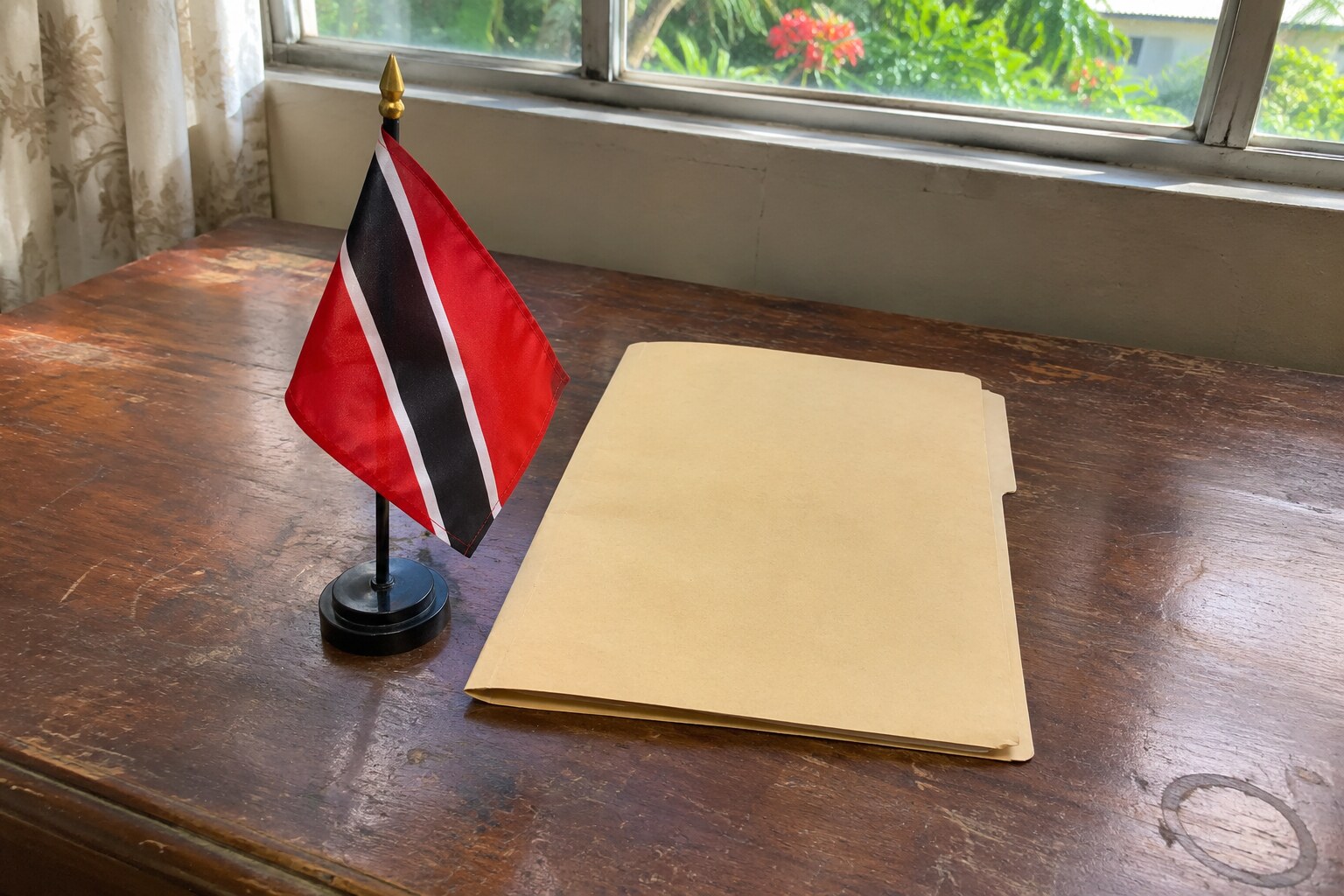
The Judicial Committee of the Privy Council ruled on November 10, 2026, that Trinidad and Tobago could not justify criminalising private, consensual same-sex intimacy under two provisions of its Sexual Offences Act. The judges unanimously upheld Trinidadian activist Jason Jones’s appeal and dismissed the attorney general’s cross-appeal. They will take further written submissions before making their final order.
Why the 1986 law was open to challenge
Sections 13 and 16 of the Sexual Offences Act cover the offences the statute calls “buggery” and “serious indecency.” Section 16 provides an exemption for private, consensual acts between an adult man and woman. Same-sex couples were excluded from that exemption.
The attorney general argued that the provisions were protected because they carried forward earlier law. The judges found that Parliament had enacted a new framework for sexual offences in 1986, after the Constitution came into force. The provisions were therefore open to challenge on fundamental rights grounds.
The Privy Council’s summary of the judgment also explains why the supermajority that passed the Act did not shield those sections. The Constitution permits a challenge where a restriction on fundamental rights cannot be reasonably justified. The judges concluded that the state had not justified the interference with Jones’s right to private and family life.
From the 2018 High Court ruling to the 2026 appeal
Jones won in Trinidad and Tobago’s High Court in 2018. In 2025, the Court of Appeal held that the provisions remained valid to the extent that they reflected law already in force when the Constitution took effect. The Privy Council rejected that reasoning in November.
Natricia Duncan and Joshua Surtees reported for The Guardian that Jones welcomed the decision after years of litigation. Separately, PrideTT organisers have called for stronger anti-discrimination protections in areas including employment.
What the final order will decide
The judges gave their provisional view that the High Court’s order should be upheld. They invited the parties to address the wording and scope of the remedy in writing. The November judgment answers the constitutional question. The final order will set out what changes are made to sections 13 and 16.





 English
 Español
Leave a Reply