


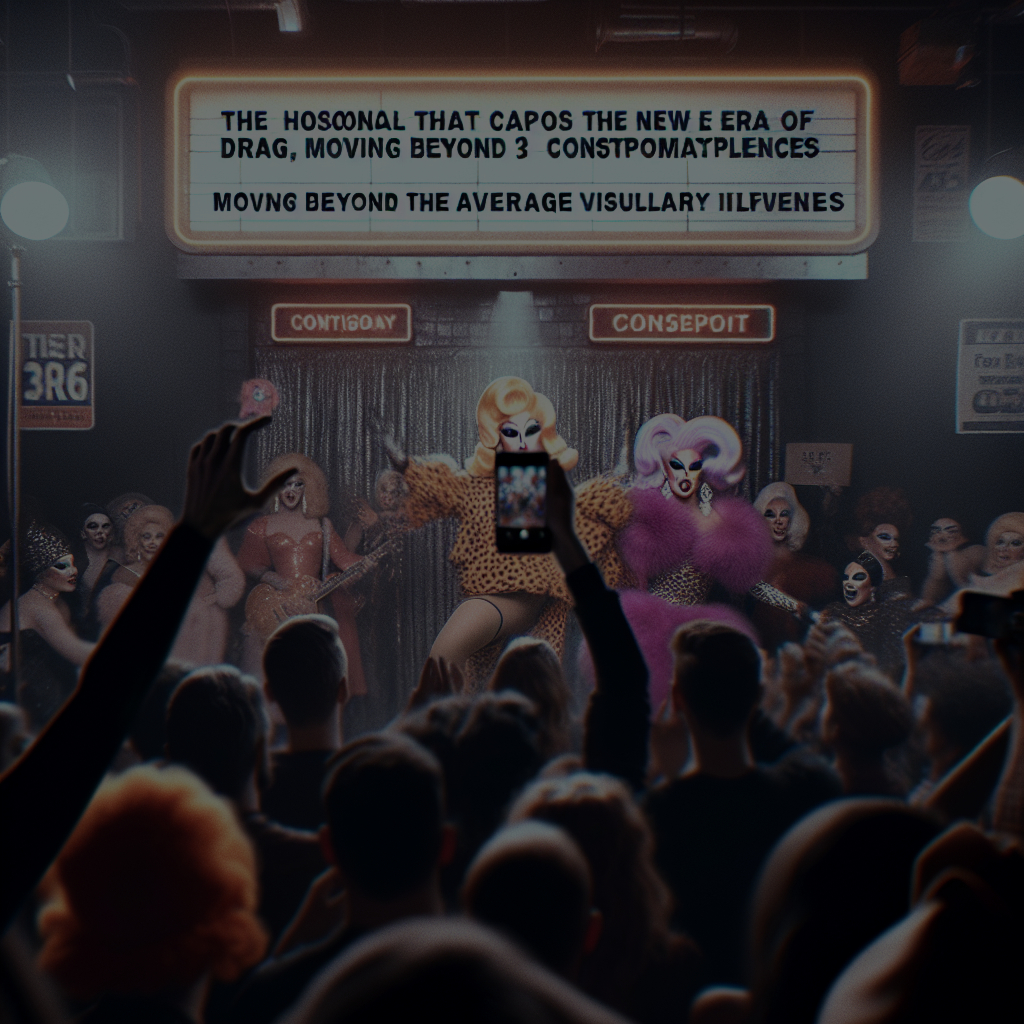
For over fifteen years, RuPaul’s Drag Race has shaped global perceptions of drag, dictating its aesthetics, language, and structure. But now, a pressing question is echoing through queer communities and activist circles alike: Are we entering a post-RuPaul era?
This isn’t about denying the immense legacy of RuPaul, but rather about understanding how drag is evolving as new generations, digital platforms, and political voices reshape the art form — and how drag is pushing back against the mainstream culture it helped create.
1. RuPaul: Legacy, Limitations, and a New Phase
We can’t talk about the future of drag without acknowledging what Drag Race has offered:
- massive global exposure,
- a boost in professionalization,
- unprecedented cultural recognition,
- and countless new drag careers worldwide.
But that very visibility has had a narrowing effect. By defining what a drag queen should be, the show has sometimes diluted the art’s inherent diversity. Drag that once thrived on chaos, improvisation, and disruption has, in places, been replaced with a more sanitized, TV-ready version.
To explore these shifts more clearly, it’s worth asking: what exactly is a drag queen?
2. The Next Wave: Queerer, Bolder, and More Fluid
The new generation of drag is defined by radical diversity and creative freedom—a far cry from the mold established by Drag Race.
➤ Gender and Body Diversity
Emerging scenes now celebrate:
- trans drag queens,
- non-binary performers,
- plus-sized and body-diverse artists,
- and experimental or monstrous aesthetics.
There’s also long-overdue visibility for drag kings, a group historically sidelined but now taking center stage with renewed power and purpose:
👉 What is a drag king?
➤ Drag Moves Beyond the Cabaret
Drag today lives outside the traditional nightlife circuit. It’s making waves in:
- art galleries, transforming into performance or social commentary (see more in Drag in contemporary art),
- fashion and luxury culture, where theatricality meets high style (as seen in Drag and fashion),
- social media, shaping lightning-fast trends on TikTok and Instagram — accessible and viral, but ephemeral by nature.
➤ Politicizing the Art Again
While Drag Race focuses on entertainment, today’s drag scene is turning back toward activism:
- amplifying LGBTQ+ advocacy,
- fighting racism and transphobia,
- criticizing cultural commodification,
- and reconnecting with its rebellious roots.
This new wave isn’t about fame — it’s about using drag as a form of resistance and political expression.

3. The Pitfalls of Going Mainstream: When Drag Becomes a Product
Mass popularity has brought visibility – but also growing pains and compromises.
➤ The Rise of a Drag Template
A specific “drag look” has become standardized:
- hip pads and corsets,
- ultra-technical makeup,
- oversized wigs,
- and pageant gowns.
This aesthetic uniformity threatens to choke the very creativity that once defined drag — historically messy, rebellious, and unpredictable.
➤ Drag as Commerce
Sponsorships, international tours, merchandising — and drag as a polished Netflix product — have transformed an underground movement into a marketable brand.
➤ Community Strains
The star-making machine has fueled:
- intense competition,
- gatekeeping practices,
- exclusion of artists without the financial means to “keep up.”
A hard truth emerges: who gets to do drag in an industry that demands constant perfection, high budgets, and polished stage-ready personas?
4. Toward a Post-Drag Race Era: Collapse or Creative Rebirth?
What’s coming isn’t the end of drag — it’s decentralization.
➤ A Multi-Centered Drag World
The future of drag is flourishing in:
- local underground scenes,
- alternative bars,
- queer art festivals,
- activist spaces,
- and digital worlds — through virtual drag, 3D avatars, and metaverse performances.
By 2030, drag may be even more virtual, DIY, art-centric, and intersectional, bypassing the television filters altogether.
➤ Rediscovering Radical Origins
To embrace this shift, we must revisit drag’s origins — its transformational, defiant spirit:
👉 Where does drag culture come from?
Drag wasn’t born to be commercial or competitive. It was — and still can be — a sanctuary that breaks norms, plays with gender, and offers freedom.
5. What Will Shape the Future of Drag?
1. Total Hybridization
Drag + digital art, drag + fashion, drag + music, drag + gaming:
The future belongs to those who blur creative boundaries.
2. Cultural Power Redistribution
Eastern Europe, Latin America, Africa, and Southeast Asia are building drag communities with explosive creativity. The future won’t revolve around the U.S. alone.
3. Political Resurgence
In response to anti-drag laws and rising conservatism, artists are answering with:
- bolder activist performances,
- more trans visibility,
- stronger queer solidarity.
4. A Return Underground
Where TV censors, community spaces invigorate.
The most exciting drag may reemerge in intimate venues, not broadcast studios.
Conclusion: The End of a Reign, Not of an Art Form
The future of drag no longer depends on a single show, a single star, or a single format.
Yes, we’re living in a post-RuPaul era — one where:
- the culture isn’t tethered to a reality competition,
- artists are breaking free from mainstream expectations,
- new voices are reigniting drag’s radical potential,
- the aesthetics are mutating — hybrid, fluid, unpredictable.
The future of drag will be plural, queer

 English
  Español
Leave a Reply