


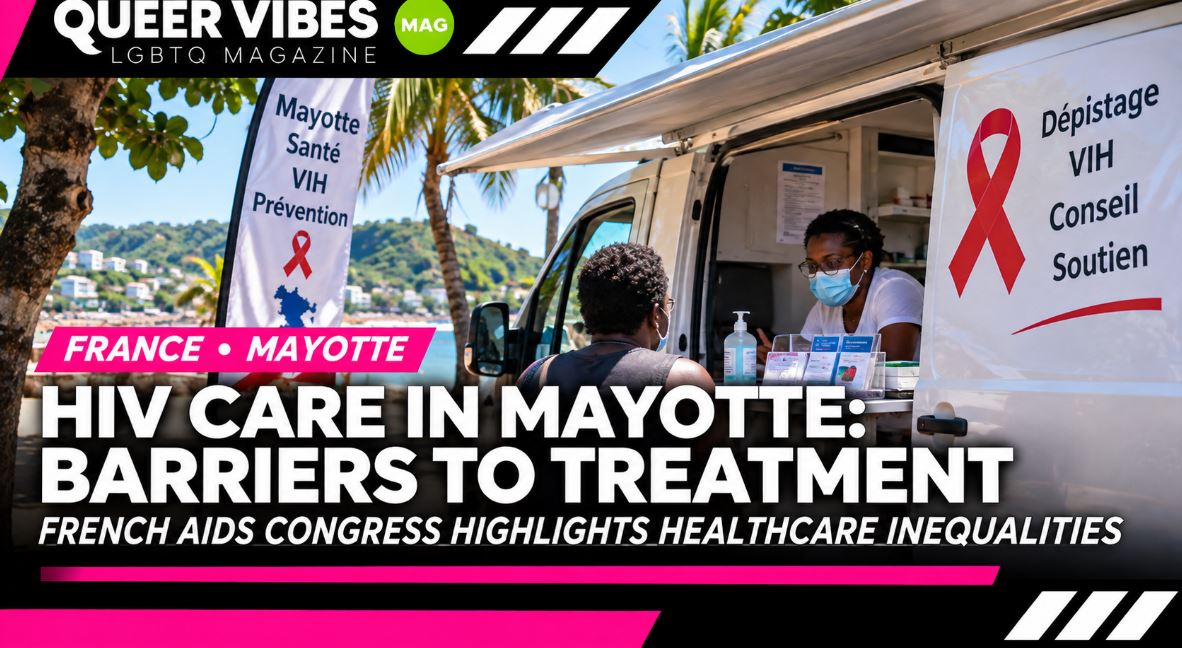
For some people living with HIV in Mayotte, attending a medical appointment depends on whether a community organization can arrange transportation. The experience of this French overseas department was brought to national attention during the 27th annual congress of the French Society for the Fight Against AIDS (SFLS), held in Rennes from November 25 to 27, 2026.
Healthcare professionals, researchers and community organizations gathered to examine how HIV prevention and treatment could better reach people excluded from conventional healthcare pathways.
The situation in Mayotte illustrates how economic hardship, geographical inequalities and administrative barriers can undermine access to effective medical care.
When reaching a hospital becomes a healthcare challenge
Located in the Indian Ocean between Madagascar and mainland Africa, Mayotte is a French overseas department facing substantial economic and healthcare challenges.
During the congress’s opening session on November 25, Moncef Mouhoudhoire, director of the community health organization Nariké M’sada, described the difficulties encountered by people seeking HIV care.
According to a conference report published by AIDES on November 27, transportation costs can prevent patients from attending hospital appointments, while police checks can create additional obstacles to travel.
Community workers sometimes organize transportation themselves, enabling patients to receive medical consultations that might otherwise be missed.
Mouhoudhoire’s intervention raised a broader question about the responsibilities of community organizations: when providing practical assistance becomes essential to accessing medical treatment, the organization of healthcare services itself warrants examination.
His account illustrates specific barriers encountered by the association. It does not establish how frequently those difficulties affect Mayotte’s entire population.
HIV diagnoses reveal persistent regional inequalities
Mayotte remains among the French territories facing significant HIV-related public health challenges.
The regional surveillance report published by Santé publique France in November 2025 recorded 98 new HIV diagnoses in Mayotte during 2024.
This corresponded to 306 diagnoses per million inhabitants. At the time, the department had the second-highest diagnosis rate in France, behind French Guiana.
Public health authorities also estimated that approximately 150 people in Mayotte were living with undiagnosed HIV, with a median interval of 2.7 years between acquiring the virus and receiving a diagnosis.
France’s more recent national HIV surveillance report, released on November 5, 2026, continued to identify Mayotte as an area of particular concern.
Diagnosis rates should not be confused with the number of infections acquired during the same year. They reflect when people learn their HIV status, which may occur considerably later.
How poverty affects access to HIV treatment
The difficulties described in Rennes must also be understood within Mayotte’s socioeconomic circumstances.
According to France’s national statistics institute, Insee, 77% of Mayotte’s residents lived below the national poverty threshold in 2018.
Although this figure predates the 2026 conference, it illustrates the longstanding economic inequalities affecting the territory.
Transportation, language barriers and administrative requirements can complicate healthcare access. For people living in financially insecure circumstances, attending repeated medical appointments may involve significant practical difficulties.
These barriers are particularly relevant to HIV care, where timely diagnosis, continued access to antiretroviral medication and appropriate medical monitoring are essential.
Taking HIV prevention directly into communities
Nariké M’sada has developed services intended to reach residents who may not otherwise access conventional healthcare facilities.
A project documented by the MNH Foundation combines mobile testing with personalized healthcare assistance.
The initiative brings rapid screening services into communities while helping people navigate medical appointments, administrative procedures and communication with healthcare professionals.
Community health workers can also accompany patients to hospital services following a positive screening result.
These activities complement clinical care rather than replace it. They help establish connections between healthcare institutions and people who encounter practical or social barriers to accessing them.
Local health authorities have also introduced measures to improve coordination.
According to Le Journal de Mayotte’s reporting in July 2026, an operational HIV coordination committee was established earlier this year. Additional testing locations and community-based prevention initiatives form part of the territory’s response.
The effectiveness of these measures in reducing long-term inequalities remains to be evaluated.
Why community-based healthcare matters to LGBTQ+ populations
Accessible and confidential sexual healthcare remains an important concern for LGBTQ+ communities worldwide, particularly for people experiencing discrimination or social exclusion.
However, HIV is not specific to any sexual orientation or gender identity. Effective prevention programs must reach everyone who needs them without reinforcing stereotypes about the virus.
In Mayotte, the challenges discussed at the congress concern the wider population, including people affected by poverty, migration-related difficulties and limited healthcare access.
Community-led services can help create more accessible pathways to testing, prevention and treatment while reducing the practical barriers that discourage people from seeking assistance.
Beyond the medical advances in HIV prevention
The 2026 SFLS congress focused on reaching people who remain underserved despite decades of scientific progress.
Its official program examined approaches including decentralized healthcare, remote consultations, community outreach and more accessible treatment pathways.
The discussions come ahead of World AIDS Day on December 1, amid broader international concerns about the sustainability of HIV prevention services.
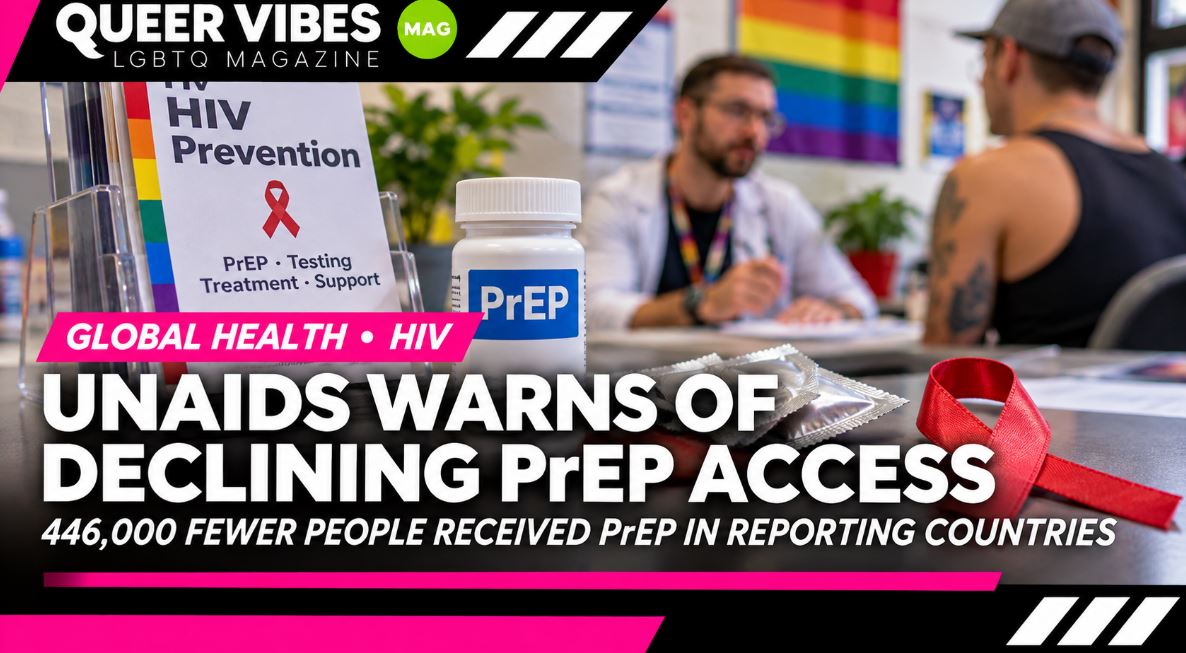
Similar concerns have emerged internationally, as highlighted in our coverage of the UNAIDS 2026 report on declining PrEP access, which examines the consequences of disruptions to HIV prevention programs worldwide.
While effective treatments and preventive medicines already exist, their availability alone cannot guarantee successful public health outcomes.
The experience presented by Nariké M’sada highlights a practical dimension of the global HIV response: healthcare services must not only exist but also be reachable by the people who depend on them.
The congress discussions have brought these barriers to national attention. They do not, however, constitute an announcement of new government measures or demonstrate that the difficulties identified in Mayotte have been resolved.



 English
 Español
Leave a Reply