


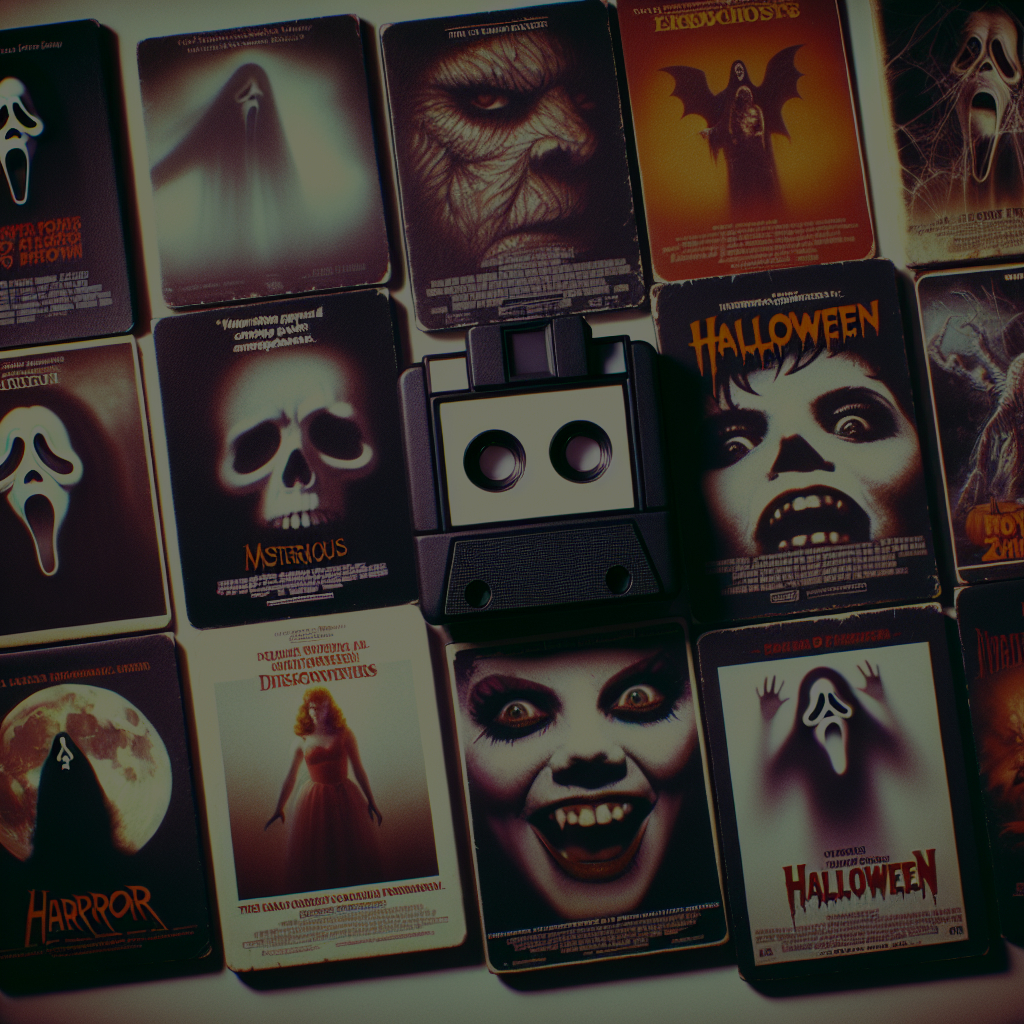
queer horror films Halloween
As autumn shadows stretch and Halloween looms on the horizon, there’s no better time to explore horror cinema through a queer lens. Far from being a niche, queer horror delves deep into themes of otherness, social transgression, and self-affirmation. These films mirror the experiences of the LGBTQ+ community, transforming monsters, spirits, and psychological thrillers into metaphors for bodies in transition, the fragility of social facades, and the empowering act of storytelling. With a mix of unapologetic camp, unsettling suspense, and liberating arcs, queer horror invites us to celebrate diversity through a chilling, festive, and thought-provoking cinematic journey.
- Queer horror offers unique, subversive narratives that challenge and affirm identity.
- Classic horror films often feature a queer subtext that has become iconic within LGBTQ+ audiences.
- Contemporary works boldly center queer characters and narratives across horror-comedy and psychological thrillers.
- Curating your watchlist opens discussions on survival, gender fluidity, and queer romance, blending camp, tension, and social awareness.
- A Halloween movie night built around queer horror fosters inclusion, connection, and joyful community celebration.
Queer Horror Films for Halloween: Celebrating Identity, Fear, and Difference
The Impact of LGBTQ+ Horror on Queer Representation
Queer horror transcends conventional fright to reveal specific, often marginalized, identity experiences. Within this genre, the monster or transformation becomes a metaphor for difference and societal pressure. LGBTQ+ horror films amplify this dialogue, using characters marked by “monstrosity” as reflections of queer marginality.
Take Jennifer’s Body or Raw, where carnal awakenings and societal taboos are boldly staged. These films don’t just adhere to horror tropes—they reinvent survival and self-discovery. Queer horror, then, isn’t just about fear—it’s about projection, resistance, and representation through a subversive lens.
- Powerful metaphors of otherness
- Challenges to sexual and societal norms
- Queer characters as identifiable, empowering figures
Halloween, Horror, and Defying Norms: Why Queer Communities Connect
Halloween is inherently transformative—costumes, altered identities, blurred gender roles—all mirror queer journeys. These symbolic rituals make horror films, especially queer-centric ones, particularly resonant within LGBTQ+ spaces.
Camp, drag, subversion, and pastiche create safe spaces to express identity through performative joy and defiance. In places like West Hollywood, screenings of cult classics become affirming social rituals. Queer horror marathons break norms while embracing the catharsis and pleasure uniquely woven into Halloween’s spirit.
History and Evolution of Queer Horror: From Coded Narratives to Bold Visibility
Queer Subtext in Cult Horror Films: From Hints to Icons
Before explicit queer representation was possible, horror filmmakers layered subtext, turning mainstream films into hidden queer allegories. This veiled storytelling turned many cult classics into underground LGBTQ+ favorites.
Films such as Psycho or Dracula’s Daughter hinted at forbidden desire and gender ambiguity. Later, visual and thematic elements blossomed into overt queer codes—like the flamboyant The Rocky Horror Picture Show or the repressed homoeroticism of A Nightmare on Elm Street 2.
| Title | Year | Queer Subtext | Impact on Queer Culture |
|---|---|---|---|
| The Rocky Horror Picture Show | 1975 | Gender fluidity, desire, liberation | Camp icon with costumed screenings and radical expression |
| A Nightmare on Elm Street 2 | 1985 | Coming out allegory, fear of homosexuality | Hailed as the first openly gay slasher film |
Spotlight on “The Rocky Horror Picture Show” and “A Nightmare on Elm Street 2”
The Rocky Horror Picture Show stands as the ultimate queer horror classic. Its midnight movie flair celebrates bodily transformation and gender rebellion, turning Halloween screenings into empowering rituals of cosplay, performance, and pride.

A Nightmare on Elm Street 2: Freddy’s Revenge explores teenage angst and sexuality through queer-coded horror. Initially dismissed, it has since been embraced by LGBTQ+ audiences as a trailblazing work in queer psychological horror.

- Rocky Horror: Camp icon with interactive cult status
- Elm Street 2: First slasher with openly queer subtext
The Hays Code and Queer Horror’s Hidden Language
Enforced in the 1930s, the Hays Code banned positive depictions of LGBTQ+ characters in Hollywood. This led horror toward ambiguity, symbolism, and subtext. Monsters and deviants became avatars of societal rejection—revealing queer identities through coded narratives.
Over time, LGBTQ+ audiences reclaimed these works, engaging in interactive screenings and alternative readings. Queer horror became a terrain of rebellion and solidarity, its coded nature fostering shared understanding and resilience.
Toward an Era of Explicit Queerness in Contemporary Horror
Since the 2000s, queer horror has shed its subtext to fully embrace overt LGBTQ+ identities. Both indie gems and mainstream films now place queer characters front and center, exploring sexuality, gender fluidity, and survival in increasingly hostile worlds.
- Queer love stories given narrative prominence
- Monsters and anti-heroes reimagined with empathy
- Direct confrontation of trans identity, marginalization, and trauma
Films like Bit and Knife+Heart expand genre boundaries, presenting queer difference not as weakness but as transformative power within horror’s emotional landscapes.
Queer Horror and Identity Politics for Halloween
Otherness, Survival, and Self-Affirmation in Queer Horror
Central to queer horror are themes of isolation and survival. Persisting in a world that marks you as “different” becomes an act of bravery and agency. Villains and supernatural figures symbolize both trauma and emerging resilience.
Queer protagonists shake off the victim trope, evolving into empowered figures navigating complex identities. Here, horror serves not just as fright—but as resistance and rebirth.
- Psychological and social survival reenvisioned
- Use of horror as a lens for empathy and insight
- The monster reinterpreted as a queer symbol of strength
Gender Fluidity and Trans Narratives in Queer Horror
Contemporary queer horror increasingly embraces stories of gender fluidity and trans identity. Complex, transformative characters explore themes of desire, transition, and self-invention—often through gothic, erotic, or body-horror-infused tales.
In Bit, the vampire myth is retold through a trans feminine lead, redefining transformation as purposeful and empowering. These films blur boundaries, rewriting the horror canon with richer, more ambiguous archetypes.
| Film | Main Theme | LGBTQ+ Representation | Significance |
|---|---|---|---|
| Bit (2019) | Vampirism, sisterhood, transition | Trans & queer protagonist | Empowering take on vampire lore |
| Hellbent (2004) | Slasher,
Featured ArticlesBuscarAuthor Details Jenifer PropetsFollow Us onCategoriesArchivesTags |
 Español
  English
Deja una respuesta