


Argentina Court Sentences Man to Life for Killing Three Lesbian Women in Barracas
A court in Buenos Aires has sentenced Justo Fernando Barrientos to life imprisonment for the killing of three lesbian women and the attempted murder of a fourth in May 2024. In its November 18, 2026 verdict, the court explicitly recognised hatred based on the victims’ sexual orientation as an aggravating factor.
The ruling brings a decisive development to a case that has mobilised lesbian, feminist and LGBTQ+ organisations across Argentina for more than two years.
Pamela Fabiana Cobbas, Mercedes Roxana Figueroa and Andrea Amarante died following the deliberate fire in a residential hotel in the Barracas neighbourhood. Sofía Castro Riglos survived.
Updated November 19, 2026. Originally published May 16, 2024.
The court recognised anti-lesbian hatred in its verdict
Argentina’s Criminal and Correctional Oral Trial Court No. 5 unanimously found Barrientos, 70, responsible for three aggravated homicides and one attempted aggravated homicide.
Judges Adrián Pérez Lance, Juan Manuel Grangeat and Cinthia Oberlander found that the offences involved hatred based on sexual orientation, particular cruelty, treachery and the use of a means capable of creating a danger to others.
The court imposed a life sentence, matching the punishment requested by prosecutor Juan Manuel Fernández Buzzi during closing arguments on October 28.
The distinction between the prosecution’s earlier request and the verdict is particularly important. Before November 18, the recognition of anti-lesbian hatred remained part of the prosecution’s case. It is now an explicit finding of the trial court.
The ruling was confirmed in a November 18 statement from Argentina’s public prosecutor’s office.
The judges are scheduled to release their written reasoning on February 19, 2027.
The attack that killed Pamela, Roxana and Andrea
The case dates to the night of May 5, 2024, when four women were resting in their room at a residential hotel on Olavarría Street in Barracas.
According to the prosecution’s account presented at trial, Barrientos deliberately threw a flammable substance into the room, setting it alight.
The prosecution also described how he attacked and pushed back one of the women as she attempted to escape the spreading fire.
All four sustained injuries.
Pamela Cobbas died on May 6. Mercedes Roxana Figueroa died on May 8. Andrea Amarante died on May 12 after suffering extensive burns.
Andrea had previously survived the deadly 2004 República Cromañón nightclub fire in Buenos Aires, a detail that became part of the public remembrance of her life.
Sofía Castro Riglos, Andrea’s partner, survived the Barracas attack. She suffered burns affecting her hands, arms and face and remained hospitalised until June 3, 2024.
The four women had been living together in precarious accommodation. Their housing circumstances became an important element of the case, drawing attention to the vulnerability of people facing both economic hardship and discrimination.
Why the recognition of hatred matters
The verdict followed a lengthy effort by those supporting the victims to have the discriminatory nature of the attack examined within the criminal proceedings.
During the trial, prosecutors argued that the violence did not occur without warning or context.
Their case described a history of hostility and harassment directed at the women because they were lesbians and because of how they lived.
The prosecution maintained that Barrientos had taken advantage of their vulnerable living conditions.
The court’s finding matters because an aggravated homicide conviction does not automatically establish a discriminatory motive. In this case, the judges expressly included hatred based on sexual orientation among the circumstances of the crimes.
Lesbian and LGBTQ+ organisations have consistently described the killings as lesbicidio, a term used to identify lethal violence against women because they are lesbians.
The court’s legal finding concerns aggravated homicide motivated by hatred based on sexual orientation. That distinction preserves the exact legal character of the verdict while recognising the significance of the ruling to the movement that followed the case.
The question of whether authorities identify discriminatory motives in violent crimes is also examined in our coverage of Outright International’s report on targeted killings of LGBTIQ people.
A life sentence, but questions over reparations remain
The verdict was welcomed by activists who had demanded accountability since the attack. Yet the life sentence did not resolve every request brought before the judges.
Según Agencia Presentes’ reporting from the November 18 proceedings, the court declined to grant the specific reparative measures requested on behalf of Sofía Castro Riglos.
Those requests included assistance and compensation intended to address the consequences of the attack.
The judges indicated that the reasons for their decision would be explained in the written judgment.
The distinction between punishment and reparation has been central to the response from those accompanying Sofía through the legal process. A criminal conviction establishes responsibility and imposes a sentence, but it does not necessarily address the survivor’s continuing practical, financial and personal needs.
More than two years of remembrance and mobilisation
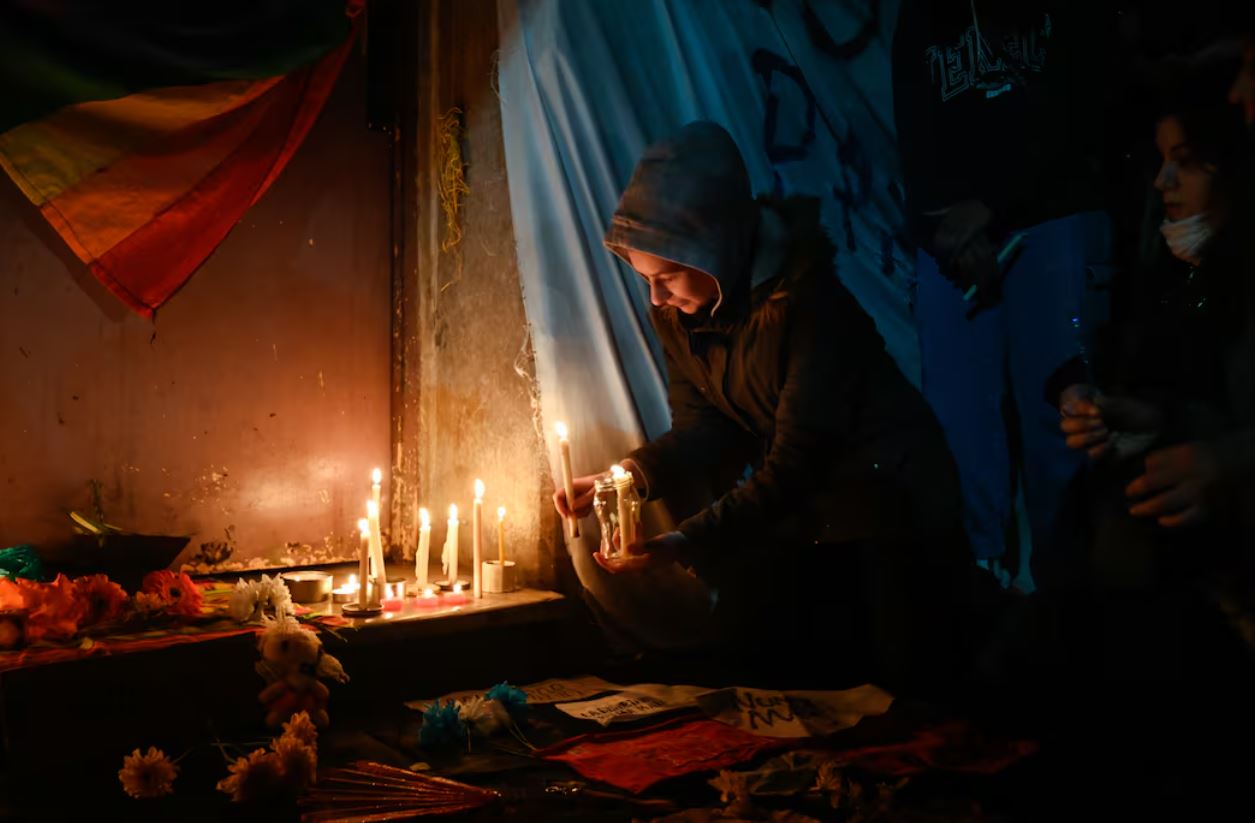
The deaths of Pamela, Roxana and Andrea prompted demonstrations in Buenos Aires in May 2024, followed by sustained commemorations and demands for justice.
Activists highlighted the connection between violence, discriminatory treatment and the women’s insecure housing circumstances.
The residential hotel itself became a site of remembrance. A commemorative plaque was placed there six months after the attack to preserve the names of the three women.
Throughout the judicial proceedings, organisations continued to demand explicit recognition of the anti-lesbian motivation behind the killings.
That recognition is now part of the verdict.
The next formal development is expected on February 19, 2027, when the court is scheduled to publish the detailed grounds for its decision, including the reasoning behind the verdict and the requests it did not grant.


 Español
 English
Deja una respuesta